

Estate Planning and Probate

Tennessee Special NeedsTrustsAttorney

The Matter

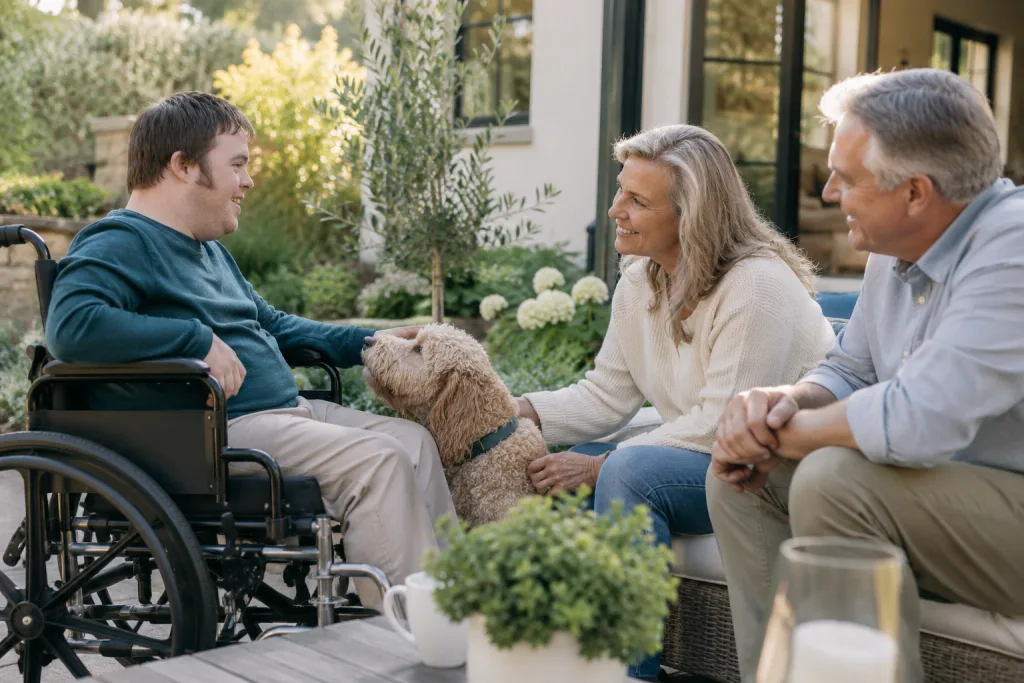
Plan Around a Loved One’s Life

Planning for a loved one with additional support needs starts with the person, their preferences, and the life they want to lead. Dale Law Group offers special needs trust planning. Discuss family resources, support arrangements, and any benefits information as part of a coordinated conversation.

01 / Getting oriented

The person first

Describe your loved one’s preferences, routines, and priorities.

02 / Getting oriented

Current support

Identify the people, services, and benefits currently involved.

03 / Getting oriented

Future resources

Discuss resources that may be available now or through future gifts or inheritances.

Special Needs Trusts in Tennessee

Special Needs Trusts With a Tennessee Lawyer

A special needs trust, sometimes called a supplemental needs trust, holds money for a person with a disability without counting that money as their own for needs-based benefits such as Supplemental Security Income and TennCare.

Leaving an inheritance directly to a loved one who receives these benefits can cause them to lose eligibility. A properly drafted trust can help prevent that result.

Contact the Firm

Third-Party and First-Party Trusts

A third-party special needs trust is funded with someone else’s money, such as a parent’s or grandparent’s, often through their estate plan. It generally does not have to repay Medicaid when the beneficiary dies.

A first-party trust holds the beneficiary’s own funds, such as a settlement or an inheritance received directly. Federal law permits these trusts for people under 65 with a disability, but they generally must reimburse the state Medicaid program from remaining funds at the beneficiary’s death.

What the Trust Can Pay For

Distributions usually pay for supplemental needs that benefits do not cover, such as education, therapies, recreation, travel, equipment, and personal care items. How a distribution is made matters, because some payments for food or shelter can reduce SSI.

Choosing a Trustee and Planning Ahead

Your special needs trust lawyer can help you plan for the long term, not only the next few years.

  • Select a trustee who will learn the benefit rules or work with professionals
  • Name successor trustees
  • Consider an ABLE account as a complement to the trust
  • Coordinate beneficiary designations so funds go to the trust, not the beneficiary directly
  • Plan for guardianship or less restrictive alternatives before a child turns 18

Talk With a Murfreesboro Special Needs Trusts Attorney

Carolyn D. Dale is the founding attorney of Dale Law Group, PLLC in Murfreesboro, Tennessee, serving Smyrna, Murfreesboro, Franklin, Nashville, and communities throughout Middle Tennessee. Call +1 866-576-5317 or send a brief, non-confidential message to start a conversation about your goals.

This page provides general information, not legal advice. Representation begins only after a written engagement agreement.


What Your Lawyer Checks

A conversation about special needs trusts starts with your circumstances. These topics can help you prepare questions and organize the information you already have.

Personal wishes

Keep the intended beneficiary’s needs and choices central to the discussion.

Benefits information

Bring current benefit notices and relevant support information for review.

Trustee responsibilities

Consider who could manage records and carry out the trust’s responsibilities.

Family coordination

Review existing estate plans and intended gifts with the broader family plan in mind.

General information only. The right approach depends on your circumstances, documents, and applicable law. Discuss your specific questions with the attorney before acting.

Terms You May Hear

Terms Your Lawyer Uses

A few terms you may encounter when discussing this service. Their application depends on the documents and circumstances involved.

Trustee

The person or institution responsible for administering the trust.

Plan AroundPublic Benefits

A special needs trust discussion focuses on a person who receives, or may need, means-tested benefits. The goal is to talk through support without assuming a gift will leave those benefits in place.

Request a Consultation
  1. Describe the beneficiary

    Share the person’s age, living situation, and the benefits they receive or may need later.

  2. Identify the money source

    Note whether funds would come from a parent, a settlement, or someone else’s estate.

  3. Choose the trustee role

    Discuss who could manage money for supplemental needs and what records that person would have to keep.

More Ways Your Lawyer Can Help

Explore estate planning, probate, and business services that may connect with your priorities.

Explore Practice Areas

Special Needs TrustsFAQs

Common questions about special needs trusts. Your documents and circumstances decide the right next step.

Request a Consultation
What information is helpful for an initial discussion?

Bring existing planning documents, benefit notices if applicable, and a summary of support needs and available resources. Explain any intended gifts or inheritances before changes are made.

What benefits information should I gather for a special needs trust discussion?

Bring benefit award letters, available eligibility correspondence, and information about the beneficiary’s income and resources. Identify the programs involved so questions can be considered in their specific context.

Should I explain where proposed trust funds would come from?

Yes. Identify whether the funds involve a family gift, inheritance, settlement, or the beneficiary’s own property. The source of funds is an important topic for individual planning advice.

How can I describe a beneficiary’s longer-term needs?

List housing, care, transportation, education, and daily support priorities. Include the people currently involved and questions about who could manage funds and coordinate support in the future.

Can I leave money directly to a child who receives benefits?

A direct gift or inheritance can put needs-based benefits at risk. A special needs trust is one way families ask the money to be managed for the child instead of paid to the child outright.

What is the difference between a first-party and a third-party trust?

A third-party trust is funded with someone else's money, often a parent's. A first-party trust uses the beneficiary's own money, such as a settlement. The rules are different, so say where the money will come from.

Who should manage the trust?

Someone patient with paperwork, who will follow the benefit rules and listen to the beneficiary. Name a backup. The trustee does not have to be the person who provides daily care.

What can the trust pay for?

The document and the benefit program decide that. The usual goal is extras that improve life, such as care, transportation, and activities, without replacing benefits that are supposed to cover food and shelter. Ask before assuming a bill is allowed.

Can my child still receive an inheritance in their own name?

They can, but that may affect benefits. If benefits matter, say so at the start so the inheritance is structured with that in mind.

What should I bring about their benefits?

Award letters, the name of each program, and a recent notice if you have one. Also bring any older trust or will that already mentions your child.